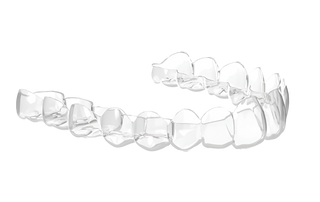


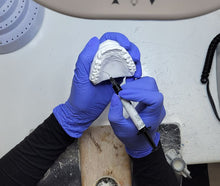

You put your night guard or retainer in your mouth every night. It sits there for 7–8 hours collecting saliva, bacteria, and everything else that calls your mouth home. So yes, learning how to clean it properly is kind of a big deal.
The good news: it's not complicated. A few minutes in the morning and a proper weekly deep clean are all it takes to keep your night guard, retainer, or aligners fresh, extend its life, and make sure it's doing its job instead of quietly grossing you out. This guide covers everything - the daily routine, the best weekly cleaning methods, how to deal with stains and yellowing, and what NOT to do.
Short on time? Here's the quick version: Rinse and gently brush your night guard or retainer every morning with cool water and a soft toothbrush (no toothpaste). Let it air dry completely before storing. Do a proper deep clean once a week using a cleaning tablet, ultrasonic cleaner, or hydrogen peroxide soak. Avoid hot water, toothpaste, and storing it wet.
Why Cleaning Your Night Guard or Retainer Matters
Here's something that sounds alarming but is also just true: your mouth is home to over 700 species of bacteria. Most are harmless. But when you introduce a warm, moist surface that spends 8 hours in your mouth and then gets sealed in a case all day, you've created an ideal environment for bacteria, calcium buildup, and biofilm to take over.
That's what's behind the yellowing, the white chalky spots, and the smell that eventually shows up if cleaning gets skipped. And it's not just cosmetic; a bacteria-covered appliance is putting all of that back in your mouth every single night.
Consistent cleaning matters for three reasons:
- It extends the life of your appliance significantly. Bacterial acid and mineral deposits break down the material over time. Regular cleaning removes both.
- It prevents staining before it becomes permanent. Yellow discoloration is genuinely difficult to reverse once it's set in.
- It protects your gums. Biofilm from an uncleaned appliance can irritate gum tissue with regular exposure.
Did You Know: Those white chalky spots on your retainer or night guard are calcium deposits from your saliva. The yellow discoloration is something different: bacteria from your saliva bonding to the material over time. The good news is that calcium deposits are more reversible. The bad news is that yellow bacterial staining largely isn't (more on both below).
Daily Cleaning: The 3-Minute Morning Routine
The single most important habit for your night guard or retainer is a consistent morning routine. This takes about three minutes and prevents most problems before they start.
Rinse It the Moment You Take It Out
As soon as your appliance comes out, rinse it under cool or lukewarm water. Don't set it on the counter first. Dried saliva is harder to remove and that 30-second delay adds up. One rule that matters more than people realize: cool water only. Hot water warps dental appliance materials, especially soft night guards and most retainer types. It doesn't take much heat to do real damage.
Brush It — But Skip the Toothpaste
Using a dedicated soft-bristle toothbrush (keep one next to the sink specifically for this), gently brush all surfaces of your appliance. This removes residual plaque and saliva before it hardens.
Here's the part most people get wrong: do not use toothpaste. It feels right, but toothpaste contains abrasives designed to polish enamel — and those same abrasives will gradually scratch the surface of your appliance. Scratches create microscopic grooves where bacteria hide and are almost impossible to clean out. Plain water works fine. A small drop of gentle, unscented dish soap is even better.
Let It Air Dry Completely
This is the most skipped step, and skipping it is one of the fastest ways to shorten your appliance's life. Storing a damp appliance in a closed case creates exactly the warm, moist, dark environment bacteria thrive in.
After brushing, pat it with a clean cloth and then set it on a clean dry surface for at least 15–20 minutes before putting it away. Most people leave it out while they finish getting ready — that window is plenty.
Store It in Its Case
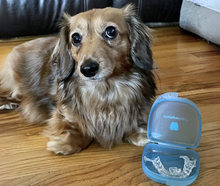
Once dry, it lives in its case. This protects it from environmental bacteria, keeps it from getting knocked off the counter, and keeps it away from curious pets (if you've found your way to our Pup Wall of Shame, you know exactly what we mean).
Clean the case every few days — a quick hand wash with dish soap does it. Don't put it in the dishwasher. Let it dry completely before closing your appliance inside.
Weekly Deep Cleaning: The Best Methods
Once a week, your appliance needs more than a brush. A proper deep clean removes bacteria and buildup that daily cleaning doesn't reach. Here are your options, from most effective to most DIY:
Cleaning Tablets — The Easiest, Most Effective Option
Effervescent cleaning tablets formulated specifically for dental appliances are the simplest way to deep clean your night guard or retainer. Drop a tablet into a glass of cool or lukewarm water, add your appliance, and let it soak for 10–15 minutes. The fizzing action lifts debris and kills bacteria in places a toothbrush can't reach.
The Fizzies are our custom-formulated cleaning tablets, designed specifically for the materials in night guards and retainers. The enzyme-based formula kills 99% of odor-causing bacteria, prevents discoloration, and leaves a fresh minty scent without the harsh persulfate compounds found in some generic denture tablets that can degrade dental materials over time.
How to use: Drop one Fizzies tablet into a glass of cool water. Submerge your appliance and soak for 10–15 minutes. Rinse thoroughly with cool water. Air dry before storing.
Pro Tip: Don't soak longer than an hour with any solution — even a gentle one. Extended soaking can weaken the material over time.
Ultrasonic Cleaning — The Most Thorough Clean You Can Get at Home
If you want to go beyond what soaking can do, an ultrasonic cleaner is the answer. The Sonic Cleaner Pro uses high-frequency sound waves to generate microscopic bubbles that penetrate every groove and crevice of your appliance — reaching areas that soaking and brushing simply don't reach. It's especially effective on stubborn calcium deposits and established biofilm.
It's also extremely simple: add water, place your appliance inside, press a button. Done in five minutes. For anyone who wants to get the most life out of their night guard, or heavy grinders who are harder on their appliances, it's worth the investment.
Hydrogen Peroxide Soak — A Reliable DIY Option
Mix equal parts 3% hydrogen peroxide (the standard drugstore bottle) and cool water. Soak your appliance for 20–30 minutes, then rinse thoroughly with cool water.
Hydrogen peroxide is an effective disinfectant and one of the better natural options for cleaning a night guard without harsh chemicals. A couple of caveats: don't use it undiluted — full-strength hydrogen peroxide is too aggressive on some appliance materials. And this method works well for disinfecting, but won't dissolve calcium deposits the way vinegar does.
Mouthwash Soak
Pour a capful of mouthwash into a glass and dilute it with enough cool water to cover your appliance. Soak for 10–30 minutes, then rinse well.
This works, but choose your mouthwash carefully. Alcohol-based mouthwashes can dry out and degrade appliance materials over time, particularly soft night guards. An alcohol-free variety is the safer choice for regular use.
Natural Cleaning: Baking Soda
For those who prefer a natural approach, baking soda is a gentle option. Mix it with enough water to form a thin paste, apply with a soft toothbrush, gently scrub, and rinse thoroughly. Baking soda has natural deodorizing properties and is gentle enough not to scratch.
That said, it's not thorough enough as your only weekly cleaning method. Think of it as a good supplement rather than a complete replacement for soaking.
White Vinegar for Calcium Deposits
If you're seeing white, chalky buildup on your retainer or night guard, a diluted white vinegar soak will break it down. Mix 1 part white vinegar with 3 parts cool water and soak for 15–20 minutes, then scrub gently with a soft toothbrush and rinse thoroughly.
Avoid soaking in undiluted vinegar or leaving it in for extended periods — the acidity can affect some materials with prolonged exposure.
What NOT to Do (The Mistakes That Shorten Its Life)
A few common cleaning instincts are actually harmful. Worth knowing before they do damage:
- Hot water — Warps the material, sometimes permanently. Cool or lukewarm only.
- Toothpaste — The abrasives scratch the surface and create bacteria-harboring micro-grooves.
- The dishwasher — The heat cycle will warp or destroy your appliance. Not even the gentle setting.
- Storing it wet — Seals moisture in with your appliance. Always dry completely first.
- Bleach or household cleaners — Not formulated for dental materials and will damage them.
- Boiling — This comes up more often than you'd think. Boiling will absolutely warp your appliance. It is not a sanitization shortcut.
Help! My Night Guard Is Turning Yellow (Or Already Stained)
Yellow discoloration is the most common complaint we hear about when it comes to cleaning advice. The most honest thing we can tell you is that once it's there, it's very difficult to reverse.
The yellow color comes from bacteria in your saliva binding to the appliance material over time. Soft night guards are particularly vulnerable because their more porous surface absorbs staining compounds faster than hard acrylic. If you wear The Soft, consistent cleaning is especially important — prevention is genuinely your only reliable strategy here.
If you're in early stages of yellowing: Increase your deep clean frequency to 2–3 times per week. It won't reverse existing discoloration, but it can prevent it from progressing.
For white calcium deposits: The white vinegar soak method described above is your best bet. Calcium buildup is more treatable than yellow bacterial staining.
If you've tried everything: It may just be time for a new one. All appliances have a lifespan, and a heavily stained one is often telling you it's past its best.
Frequently Asked Questions
How often should I clean my night guard or retainer?
Rinse and brush it every morning. Do a proper deep clean — cleaning tablets, hydrogen peroxide, or an ultrasonic cleaner — at least once a week. If you're prone to staining or buildup, 2–3 times per week is better.
What is the best way to clean a night guard?
For daily cleaning: rinse with cool water, brush gently with a soft toothbrush (no toothpaste), air dry. For weekly deep cleaning: cleaning tablets formulated for dental appliances are the easiest and most effective option. An ultrasonic cleaner is the most thorough option if you want to go further.
What is the best retainer cleaner?
Cleaning tablets formulated specifically for dental appliances — like The Fizzies — are the best retainer cleaner for most people. They're enzyme-based, safe for retainer materials, and take 10–15 minutes. For deeper cleaning, an ultrasonic cleaner is the most thorough option available outside of a dental office.
Can I soak my retainer in mouthwash?
Yes, with caveats. Use an alcohol-free mouthwash diluted with cool water, and soak for no more than 30 minutes. Alcohol-based mouthwashes can dry out and degrade appliance materials — particularly soft appliances — with repeated use.
What's the best way to clean a night guard naturally?
A hydrogen peroxide and water soak (equal parts 3% hydrogen peroxide and cool water, 20–30 minutes) is the most effective natural option. Baking soda paste is a gentler supplemental choice for daily brushing. Diluted white vinegar is your best bet specifically for calcium buildup. Avoid essential oils and other DIY remedies — they're not formulated for dental materials and some cause degradation.
Why does my night guard smell even after cleaning?
Persistent odor usually means bacteria have established themselves in the material more deeply than a standard soak reaches. Try increasing your deep clean frequency, and consider an ultrasonic cleaner — it penetrates more thoroughly than soaking alone. If the smell persists despite proper cleaning, the appliance may be past its useful life.
Can I use denture tablets to clean my night guard?
In a pinch, yes. But generic denture tablets are formulated for dentures — not the specific materials in night guards. Some contain persulfate compounds that can degrade softer dental materials over time. Cleaning tablets formulated specifically for night guards and retainers are the better long-term choice.
The Bottom Line
Cleaning your night guard or retainer isn't complicated, it just needs to be consistent. A rinse and brush every morning takes three minutes. A weekly deep clean takes ten. That's really all it takes to keep your appliance fresh, extend its life, and protect the investment you've already made in your smile.
And if you've been putting off getting a night guard because the dentist quoted you something that made you wince — we make custom-fit, dental-lab quality night guards at a fraction of that price, with a 100-night trial and a perfect fit guarantee. No office visit required. Find the right fit for you and we'll take it from there.